

Everything You Need to Know About
Kanban Tags & Labels
Kanban tags and labels keep production moving by telling workers when to order parts, move materials, or take action. BarcodeLabels.com manufactures these tags and labels tough enough for automotive plants, chemical facilities, and busy warehouses.
Related: Browse our PolyMatte synthetic labels for industrial applications
Core
Format
Label Size
Material
Applications
Printer Compatibility
How Kanban Tags & Labels Work in Manufacturing
Manufacturing floors get chaotic fast. Kanban tags and labels solve this problem by creating a simple visual system that tells workers when to reorder materials, move products, or take action.
This pull-based approach means materials only move when they’re actually needed. Production stays lean, waste drops, and teams spend time building products instead of hunting down parts. BarcodeLabels.com manufactures Kanban labels specifically designed to handle demanding manufacturing conditions:
BarcodeLabels.com’s Kanban Material Options
Our team of experts work hard to get you the right product, learning more about your day-to-day operations allows us to manufacture a product specifically matched to your working conditions:
Shop: QR barcode labels for inventory tracking
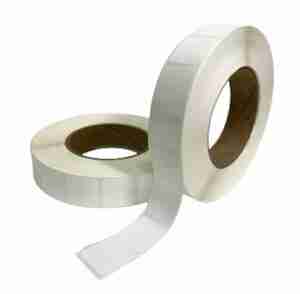
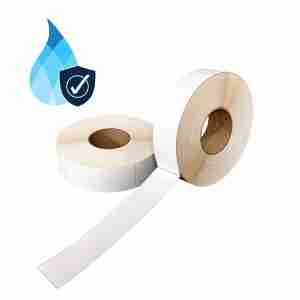
Great for temporary identification, tracking, and compliance in non-harsh environments.
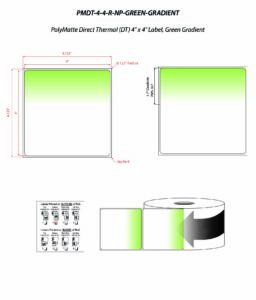
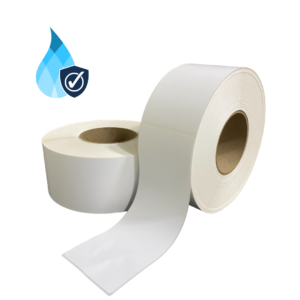
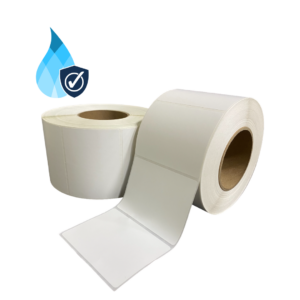
BS5609 certified material for drum labels, wiring diagrams, and compliance applications; matte finish prints sharp on laser printers and conforms to curved surfaces while resisting chemicals and UV exposure.
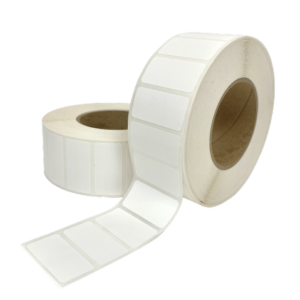
Dual-function material sticks permanently to steel and corrugated surfaces, but removes cleanly from returnable containers.
Polyester material that withstands extreme heat, chemicals, UV exposure, and moisture for surfaces where nothing else sticks.
Benefits of Using Kanban Tag & Labels in Production Management
Inventory sitting in warehouses ties up cash flow that could go toward other production needs. Our Kanban tags & labels can cut these costs by triggering orders only when you actually need materials, no guesswork required. Production teams are able to quit hunting through spreadsheets and start building products because they can see what requires attention at a glance:
- Waste Reduction
- Visual Status Indicators
- Cross-Shift Communication
Implementing Industrial Kanban Tags & Labels Successfully
Synchronization Across Manufacturing Teams
BarcodeLabels.com’s Kanban tags and labels work best when every shift follows the same procedures and uses identical materials. Keep all your crews on the same page with consistent labeling practices:
Standardized Procedures: Same label placement, color coding, and replacement methods across all shifts.
Clear Documentation: Written procedures that don’t require guessing what previous shifts meant.
Cross-Shift Training: Every worker knows the system regardless of when they clock in.
Consistent Supplies: Same label materials and colors available to all shifts, not whatever’s left in the supply room.
Color-Coding Best Practices for Manufacturing
Colors work faster than words. Pick your colors once and stick with them everywhere in your facility, because nothing kills a visual system faster than red meaning “urgent” in one area and “normal” in another. Keep your color scheme simple with our color-coded Kanban tags and labels that new workers can learn in minutes.
Top Items:
FAQs
What materials work best for Kanban tags and labels in manufacturing environments?
The best Kanban label materials depend on your working conditions; paper labels work great indoors, while PolyMatte synthetic labels handle harsh chemicals, moisture, and temperature swings. PolyMatte labels also stick permanently to metal surfaces, yet remove cleanly for returnable container applications.
Do Kanban tags and labels work with industrial label printers like Zebra and Datamax?
Kanban tags from BarcodeLabels.com work with all major industrial printer brands, including Zebra, Datamax, Intermec, Sato, TSC, and Cab. Both thermal transfer and direct thermal options match your existing equipment while delivering manufacturing-grade durability.
What systems are used for Kaban?
Kanban tags and labels solve inventory chaos, helping staff keep a pulse on the location of materials, where materials need to move, and what’s running low. Whether you’re running automotive assembly lines or managing hospital supplies, the same visual signals prevent the scrambling that kills productivity:
- Just-in-Time (JIT)
- Lean Manufacturing
- TPS / Pull Production
- Warehouse Logistics
- Agile/Scrum Boards
- Healthcare Inventory
- Maintenance/Facilities
Shop: QR barcode labels for inventory tracking
What are Common Mistakes to Avoid When Using Industrial Kanban Labels?
Common Mistakes to Avoid When Using Industrial Kanban Labels:
- Wrong Material Choice: Paper tags and labels fall apart in moisture while synthetic labels waste money in controlled environments
- Inconsistent Color Coding: Red means urgent in shipping but normal in assembly – workers get confused and make mistakes
- Poor Label Placement: Tags and labels stuck where workers can’t see them or where they get damaged by equipment
- Skipping Training: Workers guess what tags and labels mean instead of following standard procedures
- Mixed Information Content: Some labels show part numbers, others show descriptions – pick one format and stick with it
- No Replacement Protocol: Old, damaged labels stay up because nobody knows who’s supposed to change them