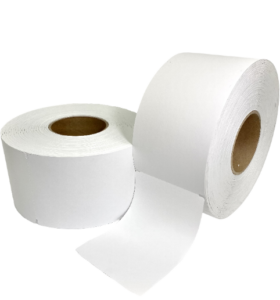
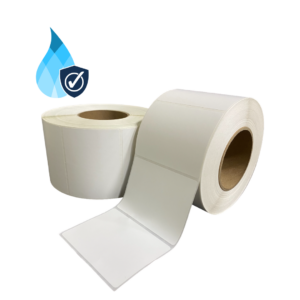
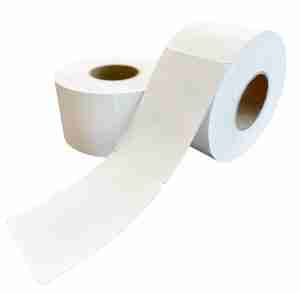
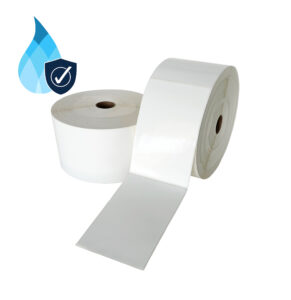
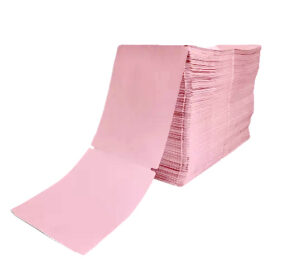
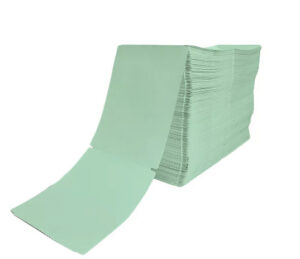
Our thermal transfer tags and PolyMatte label stock carry species, grade, dimension, and lot data in 1D and 2D barcode formats that fixed industrial scanners and handheld readers pull cleanly at every transfer point. Barcode labels designed for controlled warehouse conditions split, lose adhesion, and fade on lumber, making stock and print technology the deciding factor in whether a tag stays readable through the full handling cycle.
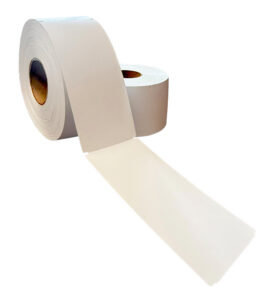
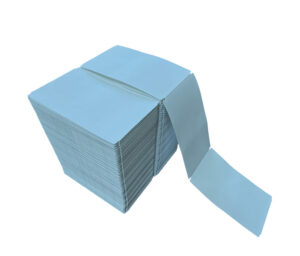
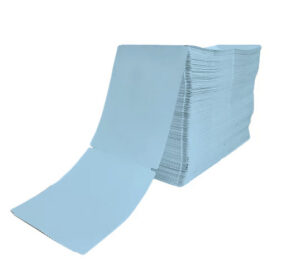
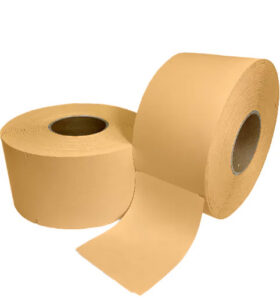
The lumber tag format that works in a distribution center will not work on a bundle moving through a wet yard on banding wire. BarcodeLabels.com stocks three formats that cover the attachment methods, environmental conditions, and printer specs used by lumber operations. Stock options include:
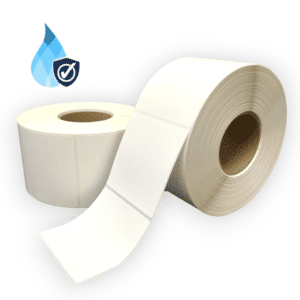
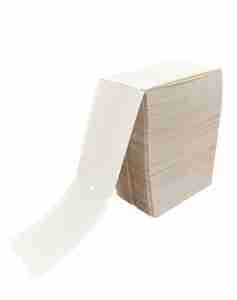
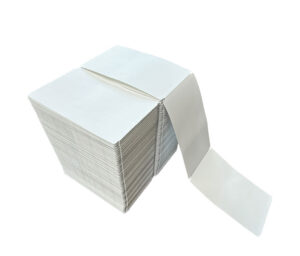
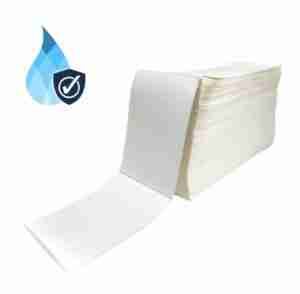
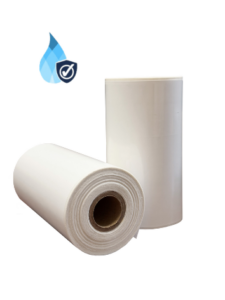
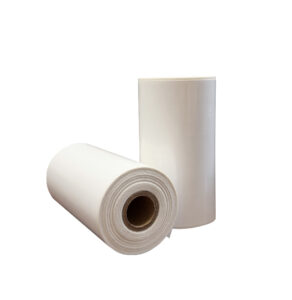
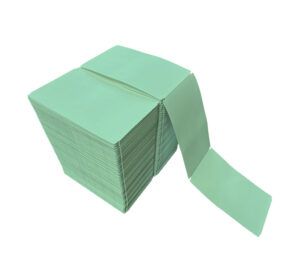
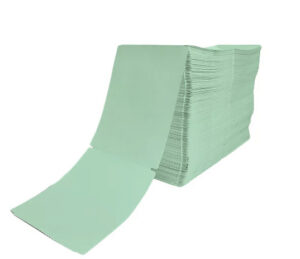
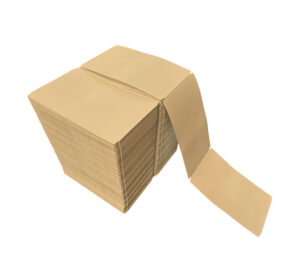
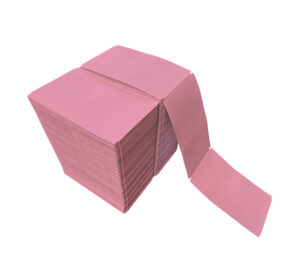
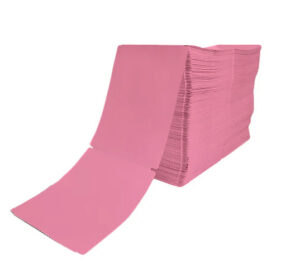
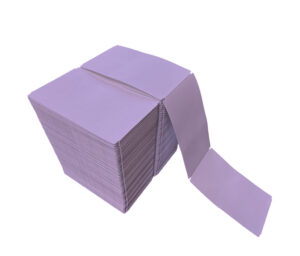
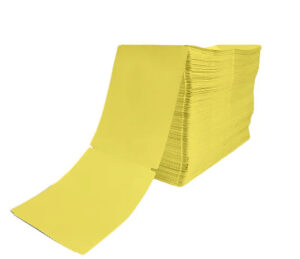
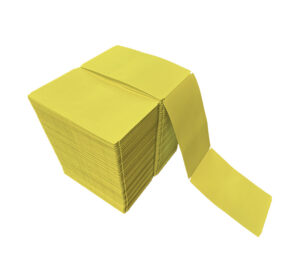
Non-adhesive synthetic stock for bundle attachment via banding, wire, or string. Prints sharp 1D and 2D barcodes via thermal transfer and withstands the rough physical handling and outdoor exposure that sawmill supplies operations produce
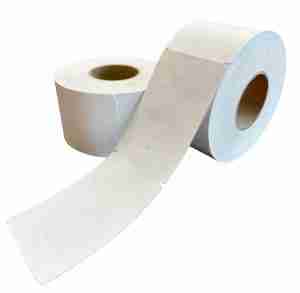
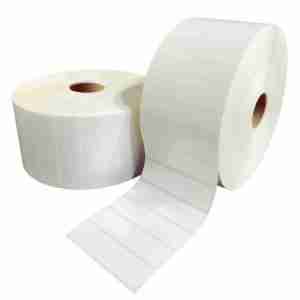
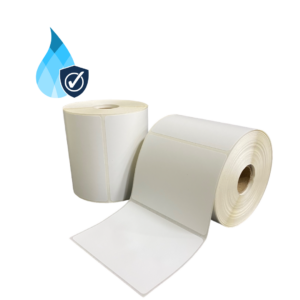
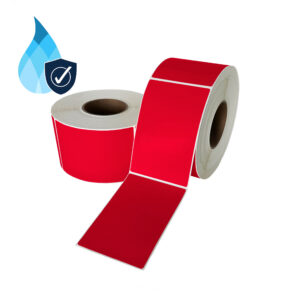
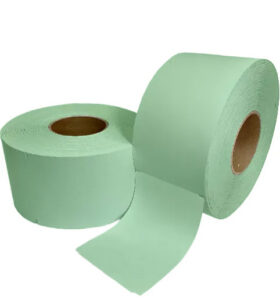
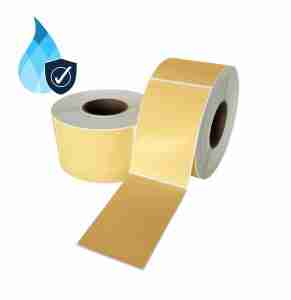
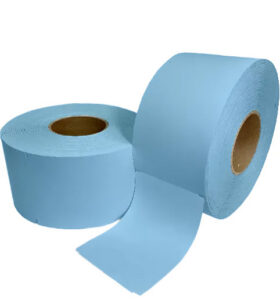
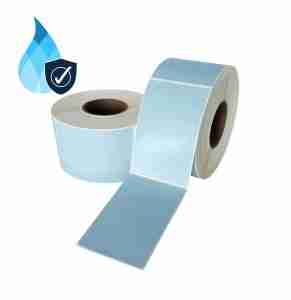
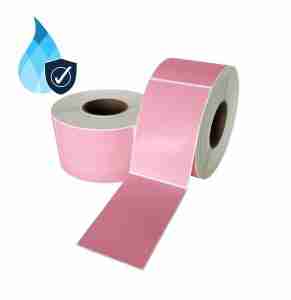
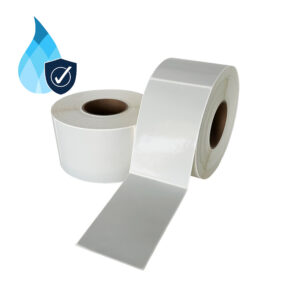
Synthetic adhesive stock for direct application to packaging surfaces. Resists moisture, UV exposure, and abrasion without losing print legibility or adhesion through extended outdoor storage cycles.
Lumber yards and sawmill supply operations expose tags to rain, humidity, UV light, and temperature swings, which destroy paper-based stock before a bundle moves from the yard to the next handling point. A tag printed on the wrong outdoor tag material fades, delaminates, or loses barcode readability at the exact transfer points where scan accuracy determines whether a shipment gets graded, routed, and invoiced correctly. We stock PolyMatte synthetic and TTT card stock rated for abrasion, moisture, and physical handling in lumber environments.
Lumber tags attach to boards, bundles, or pallets and carry species, grade, cut dimension, lot number, and origin data through every transfer point between the mill and the end buyer. Workers read them by hand at the sawmill and scan them with fixed industrial scanners at receiving docks, sort lines, and dispatch bays where grading and routing decisions get made. Our team produces thermal transfer tags and PolyMatte label stock in the sizes and core specs that keep that data accurate and scannable at every stop without reprints or manual corrections.
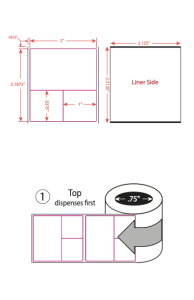
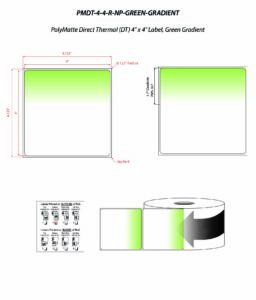
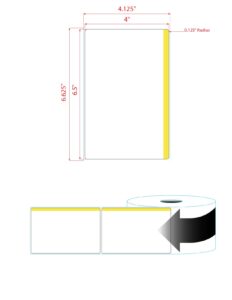
Lumber tags printed to the wrong dimensional spec or core size will not feed, print, or scan correctly on the equipment a facility runs. BarcodeLabels.com locks in the following variables with every customer before a production run starts:
Dimensional Spec and Core Size
Tags are produced to the exact specifications required by Zebra, SATO, and Datamax industrial printers, so stock feeds without jams or format adjustments on equipment already on site.
Ribbon-to-Stock Pairing
A synthetic tag stock paired with a wax ribbon weakens ink transfer, producing barcodes that scanners can’t read consistently, pulling workers off the floor to reprint and reapply. BarcodeLabels.com confirms ribbon-to-stock compatibility before every order ships.
BarcodeLabels.com has manufactured industrial tags and labels at our USA facility for over 25 years, controlling every step so lumber operations receive consistent quality without distributor markups or extended lead times.
Lumber tags identify and track wood products through the supply chain, carrying species, grade, dimension, and lot data in barcode and text formats readable at every transfer point. Without them, grade disputes, shipment mismatches, and inventory gaps go unresolved, eventually leading to write-offs.

How long a lumber tag lasts outdoors depends on the stock and print technology used. Synthetic materials printed via thermal transfer with a wax-resin or resin ribbon hold up through rain, UV exposure, and temperature swings that destroy paper-based tags within days.
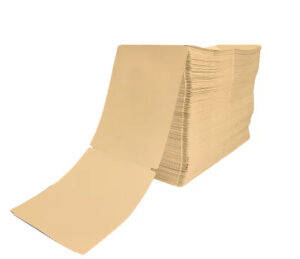
Lumber tags are manufactured to the dimensional and core specifications required by Zebra, SATO, Datamax, and other industrial thermal printers. Confirming label size and ribbon-to-stock pairing before a production run prevents failed scans and reprint costs due to mismatched materials.